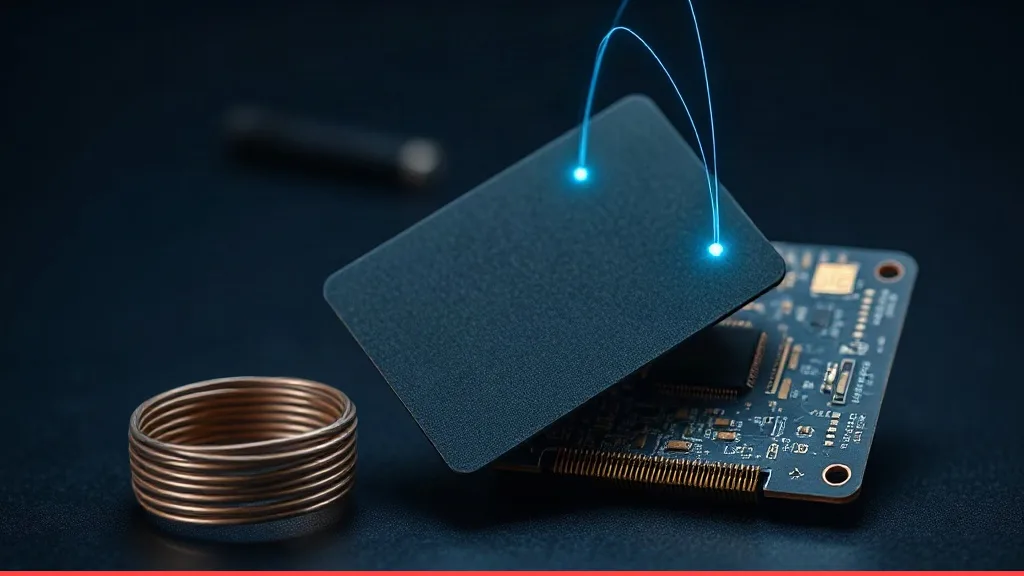
RFID & NFC Hacking #1: Flashing Iceman firmware on the Proxmark3
Install Iceman on a Proxmark3 Easy: compatibility, USB detection, compilation, flashing and antenna checks, explained step by step with real
Install Iceman on a Proxmark3 Easy: compatibility, USB detection, compilation, flashing and antenna checks, explained step by step with real
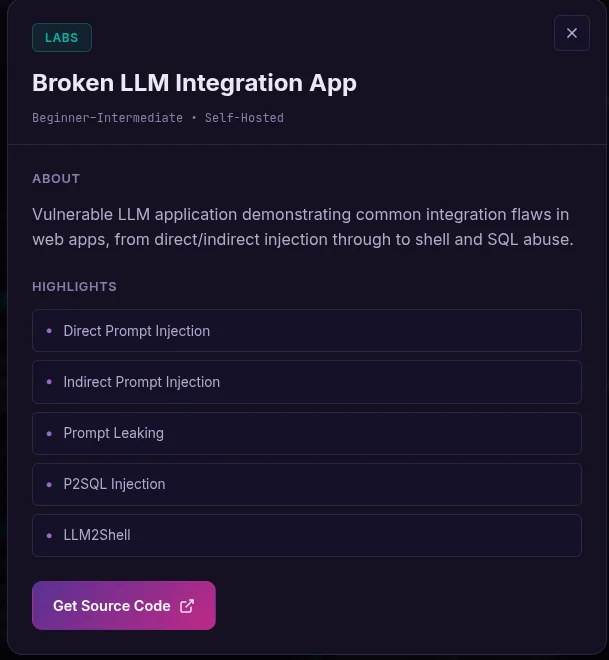
Step-by-step writeup of the Broken LLM Integration App: prompt leaking, indirect injection, P2SQL and LLM4Shell (RCE), with the reasoning, t

Full HackTheAgent (Ethiack) writeup: from leaking discount codes to a prompt-rebinding that chains into SSRF. 5 challenges, 5 AI-agent desig
Loading some weights executes code. Importing a library steals your API key. The model you download and the package you install are the atta

The attacker isn't in the session where they attack. They poisoned the knowledge base days earlier and the poison waited, dormant, until a v

The same agent, with the same injection, causes either a total account takeover or zero damage. The only difference is the token you gave it
You ask your agent to set up the environment and run the tests. A hidden comment in the README is enough for it to exfiltrate your SSH key a

You connect your agent to an MCP server to check the weather. Just hiding instructions in a tool's description is enough to make it read you

Your coding agent loads hidden rule files all on its own, without you asking. Poisoning just one with invisible instructions is enough to in

Deploy Bulwark Gateway on Kubernetes: a fail-closed proxy with a regex hot path, ML scanners, semantic enrichment, SDK and red teaming to pr

Your agent doesn't need to be attacked directly. It's enough to poison a website, a ticket or an email that it will consume automatically.

A poisoned README can make your agent exfiltrate secrets. We build a lab to prove it and learn how to defend ourselves.